

Initiation Programs
About Us
Our Recruitment Team: Experts in Every Field
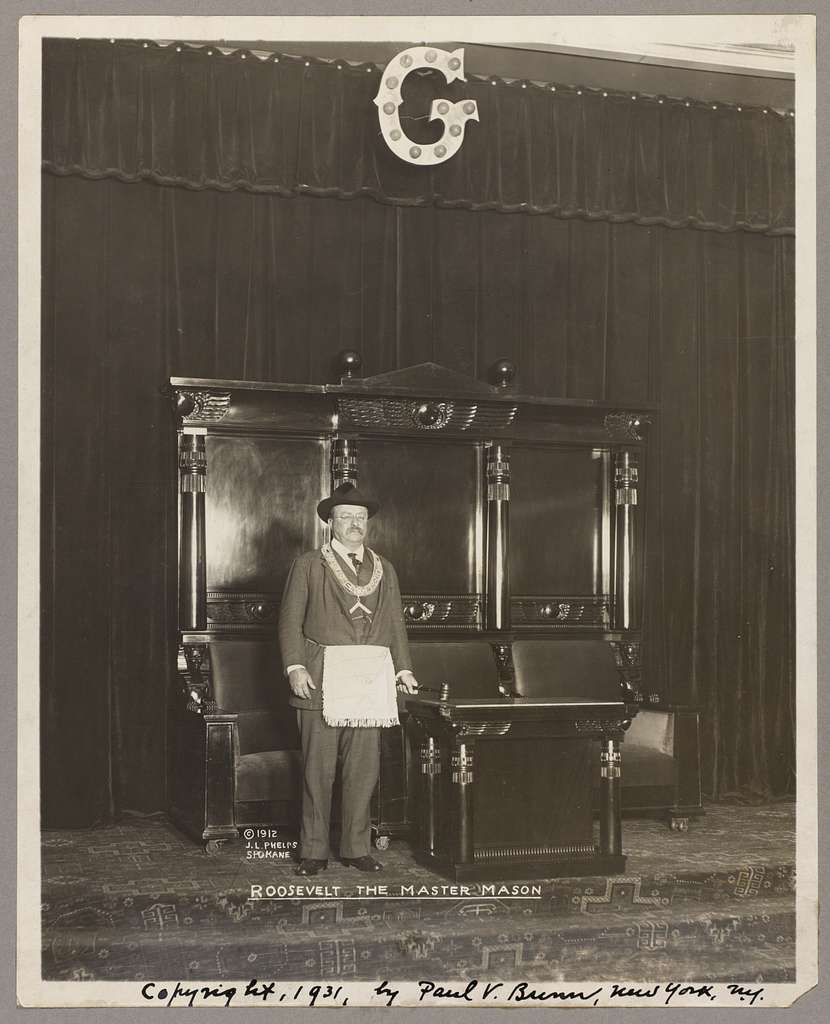
The Freemason initiation is a symbolic, ceremonial process that introduces a new member to the fraternity’s values through the first of its three degrees, focusing on moral lessons rather than secret or practical instructions.
Freemasonry is a long‑standing fraternal organization that uses ritual, symbolism, and structured degrees to teach ethical conduct, personal growth, and community responsibility. While some details of its ceremonies are private to members, the overall structure and purpose of the initiation process are widely documented.
Entered Apprentice (Initiation)
Fellowcraft (Advancement)
Focuses on education, intellectual growth, and the importance of knowledge.
Industrial Services
🔑 What the Initiation Typically Involves
- A formal request to join, followed by an interview and a vote by lodge members.
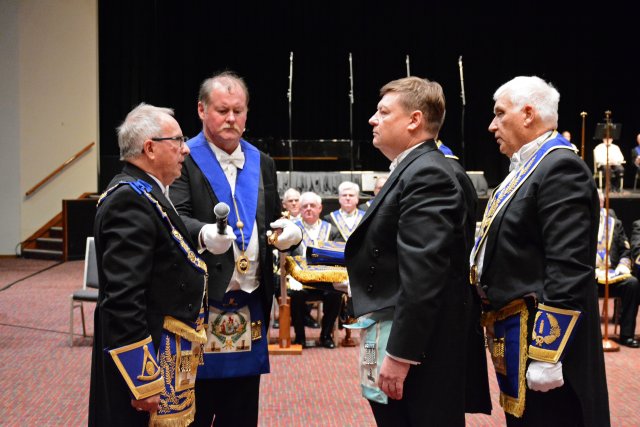
- A ceremonial introduction in which the candidate is guided through symbolic actions representing self‑improvement, humility, and the search for knowledge.
- An obligation, or promise, to uphold the fraternity’s ethical principles—this is not a legal contract but a moral commitment.
- Instruction in basic symbols, such as the square and compasses, which represent moral conduct and self‑discipline.
- A welcome into the lodge, marking the candidate’s transition into membership.
Initiation Guides
🧩 What Is Symbolic vs. Private
✅How People Join
The core principles of Freemasonry are brotherly love, relief, and truth, which guide the moral and ethical conduct of its members.
Freemasonry is built on these timeless principles, which not only guide the behavior of its members but also aim to improve the world around them. By adhering to these values, Freemasons strive to create a better society through brotherhood, charity, and the pursuit of truth.
The core principles of Freemasonry

Brotherly Love
This principle emphasizes the importance of camaraderie and mutual respect among Freemasons. It encourages members to support one another, fostering a sense of community and friendship. Freemasons are taught to treat each other with kindness and to help those in need, both within and outside the fraternity

Relief
Freemasonry promotes the idea of charity and helping those who are less fortunate. This principle calls on Masons to provide assistance—whether financial, emotional, or physical—to those in need. It reflects the organization's commitment to philanthropy and social responsibility

Truth
The pursuit of truth is a fundamental tenet of Freemasonry. Members are encouraged to seek knowledge, uphold honesty, and act with integrity in all aspects of life. This principle underlines the importance of moral character and ethical behavior
FAQ
You Can Find All Answers Here
Yes. Lodges commonly have initiation fees, annual dues, or other legitimate membership expenses. The amounts and payment procedures vary considerably between Lodges and jurisdictions. Prospective members should confirm financial requirements directly with the recognized Masonic organization they intend to join.
Members may experience meaningful fellowship, mentorship, opportunities for leadership, charitable involvement, personal development, exposure to Masonic philosophy, and connections with people who share similar values. Freemasonry emphasizes what an individual contributes to the fraternity as much as what the individual receives from it.
The Square and Compasses is among the most recognizable symbols associated with Freemasonry. Its interpretation can vary according to Masonic tradition, but it commonly represents moral conduct, discipline, self improvement, responsibility, and the importance of governing one’s actions according to ethical principles.